Planning under pressure – balancing between chaos and success
Published on: 12/05/2026
Planning under pressure – balancing between chaos and success
The planners at DISA operate at the intersection of people, technology, and international regulations. They ensure that divers, technicians, and equipment are in the right place at the right time worldwide. But as complexity increases, new opportunities also arise. The emergence of innovative technologies such as drones and ROVs (Remotely Operated Vehicles) is opening the door to new markets and specializations. As a result, the role of the planning department is shifting from purely organizing to strategic forward thinking.
Balancing
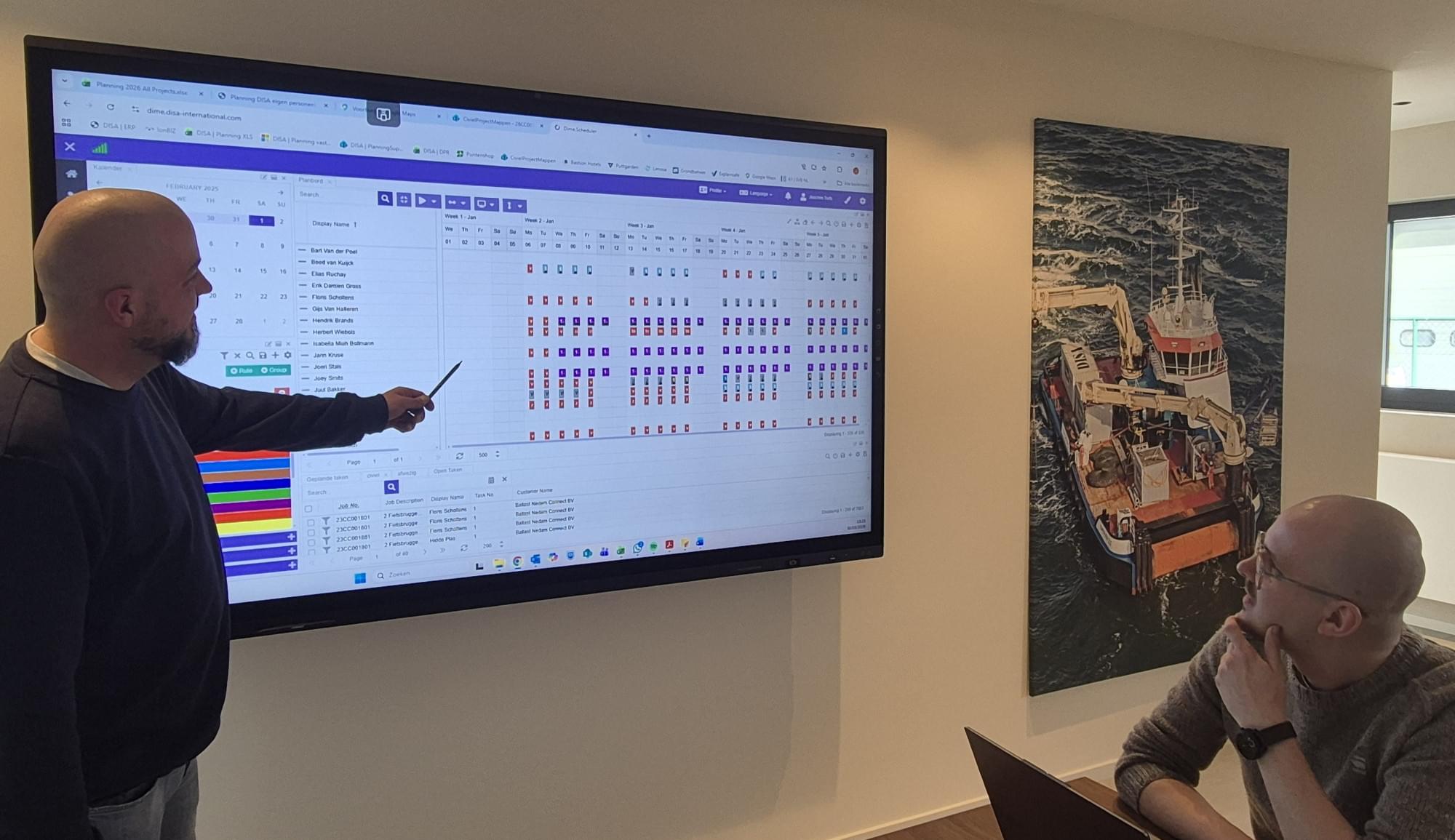
At its core, planning may seem straightforward, but in reality it is a constant balancing act between availability, competencies, and deadlines, explains Joachim Torfs, who is responsible for planning at DISA. “We often manage dozens of projects simultaneously, sometimes involving up to 150 people in the planning. And for everything, the rule is: getting the right person, with the right certifications, at the right time and in the right place.” Working across and even within different EU countries brings a complex web of regulations. “Managers, supervisors, divers, riggers, and other technicians must possess specific certifications, work permits, and visas. At the same time, practical matters such as housing, transport, and insurance must be arranged in detail.”
Planning under pressure
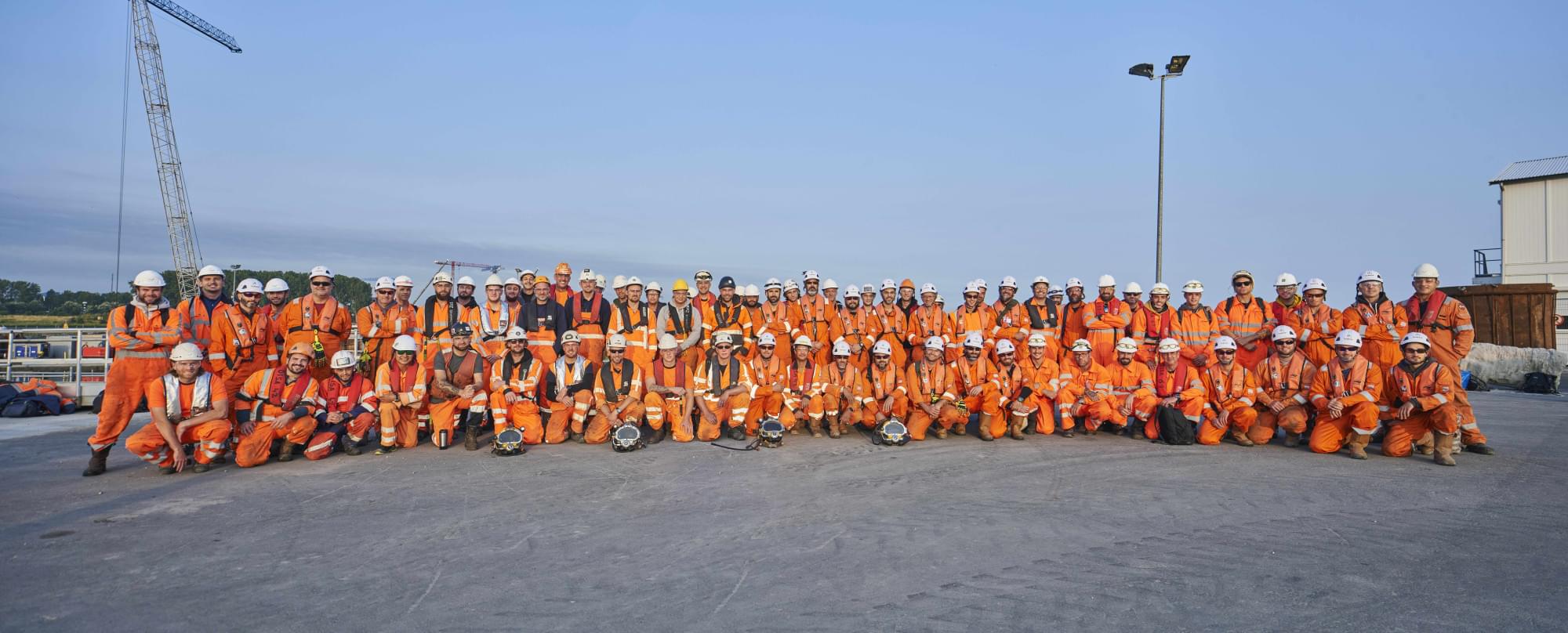
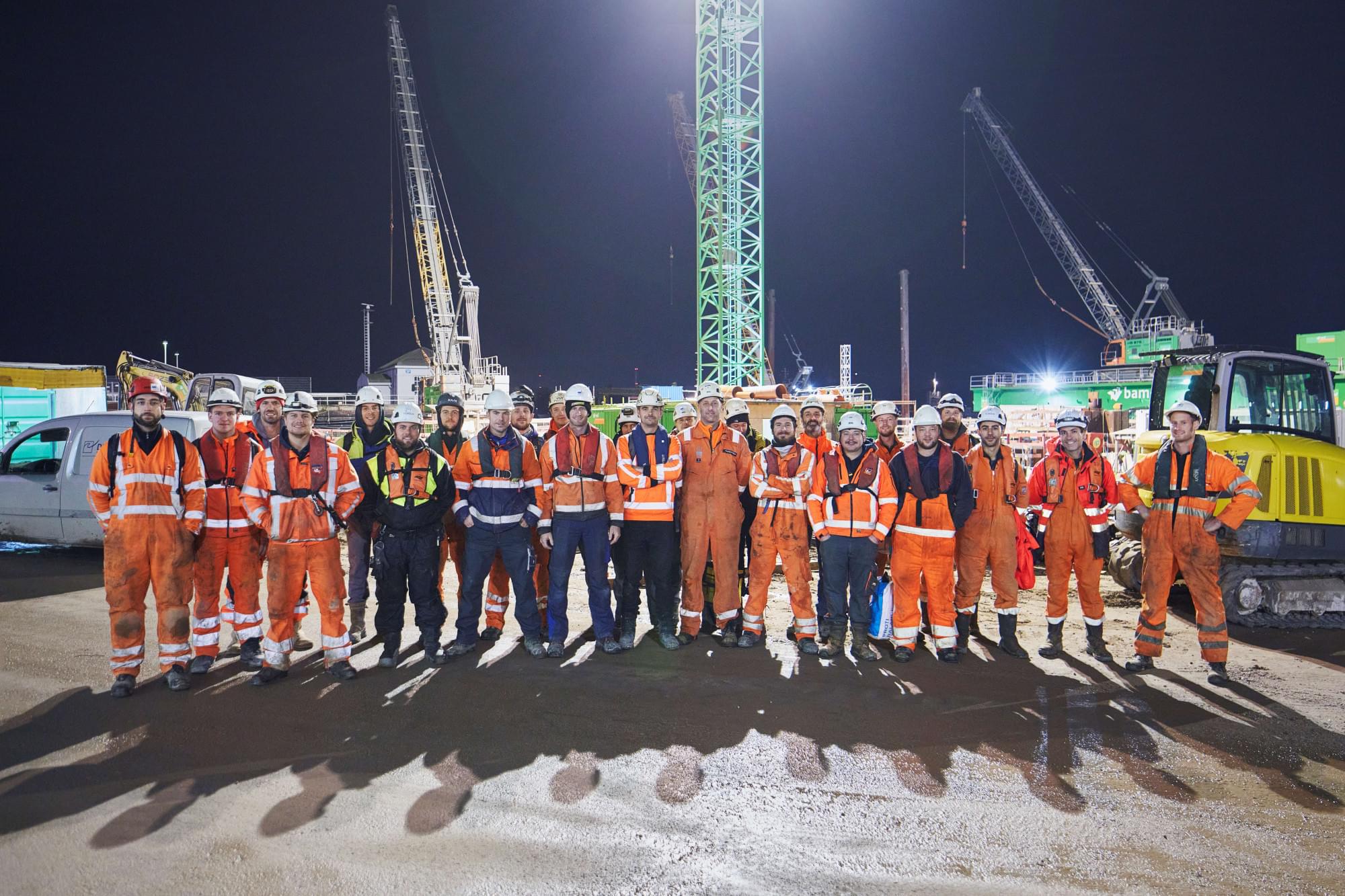
What may appear from the outside as a tightly organized operation is in reality a constantly shifting playing field. In the world of maritime services, planning changes frequently while projects must continue uninterrupted. It is precisely within this dynamic that the strength, and the challenge, of the DISA International planning department lies. DISA International benefits from a large group of permanent employees spread across its offices in Belgium, the Netherlands, Germany, Denmark, the UK, and Singapore. In addition, it relies on a flexible workforce through collaborations with other companies. “It is also common for DISA to work with multiple partners across the EU,” says Thomas Hacker, planner at the German division of DISA. “In this, team dynamics are crucial. A project not only requires the right qualifications but also the right chemistry between specialists such as project managers, supervisors, works managers, riggers, technicians, divers, and drone and ROV pilots.”
ROV and drone technology
The market is constantly evolving. “Brexit, for example, has significantly complicated the deployability of our British colleagues in Europe,” says Torfs. “Where they previously could work freely, complex administrative procedures are now required.” At the same time, new opportunities and challenges are emerging, such as the growth of ROV and drone technology. “These systems are rapidly gaining ground and are nowadays, where possible, controlled from our headquarters. However, there is still a global shortage of qualified personnel. This creates a ‘war for talent,’ where companies have to compete to attract specialists,” explains Tommy Paredes, responsible for planning in Denmark.
The dynamics of the day
In nearly all EU countries, it is also necessary to arrange country-specific documentation and classifications so colleagues can perform work there, according to Paredes. “That creates an additional challenge for us as planners, on top of the daily dynamics.” Torfs confirms this: “Schedules can change completely within a week. It is not uncommon to receive dozens of phone calls in an hour, some of which ultimately lead nowhere because the situation has changed. Decisions must often be made very quickly, without losing overview and with constant attention to all possible consequences.” Yet this is precisely where a good planning department makes the difference. “The difference is made by commitment and trust,” says Hacker. “By investing in relationships with our colleagues and partners, a kind of family feeling is created. People know they are sent out well prepared, that everything is arranged, and that their long-term employability is taken into account.” The planning department is therefore much more than simply shifting ‘pieces’ and equipment around. It is a strategic and human link in a complex international environment that makes the difference between chaos and success.